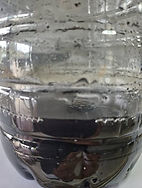
Bio-Battery from a Spent Mushroom Substrate
Spent mushroom substrate (SMS) can be repurposed to create bio-batteries, leveraging its bioactive components and conductive properties.
Here’s an overview of how SMS can be used in this innovative application:
Steps to Create a Bio-battery Using SMS
1. **Preparation of SMS**:
The spent mushroom substrate (SMS) should first be thoroughly dried to remove moisture. Once dried, it is then ground into a fine powder to increase its surface area, making it more suitable for further processing or applications.
2. **Activation of SMS**:
After drying and grinding, the spent mushroom substrate (SMS) powder undergoes chemical activation, where it is mixed with a chemical activator like potassium hydroxide (KOH) or phosphoric acid (H₃PO₄) to enhance its porosity and surface area. The mixture is then subjected to heating at high temperatures (around 700-900°C) in an inert atmosphere, such as nitrogen gas, for 1-2 hours to activate the carbon within the SMS.
3. **Electrode Preparation**:
After activation, the spent mushroom substrate (SMS) is used to coat electrodes by applying it evenly onto conductive materials such as carbon cloth or graphite to ensure optimal performance. The coated electrodes are then left to dry completely, allowing the material to adhere properly and enhance conductivity.
4. **Bio-battery Assembly**:
Once the coated electrodes are fully dried, they are assembled into the supercapacitor. The process begins with preparing an electrolyte solution by dissolving an electrolyte, such as potassium hydroxide or sulfuric acid, in distilled water. Next, a separator made of filter paper or a membrane is soaked in the electrolyte solution to allow ion transfer while preventing direct contact between the electrodes. Finally, the container is set up by placing the soaked separator inside and carefully positioning the coated electrodes, ensuring proper separation to avoid short-circuiting and enable efficient energy storage.
5. **Testing the Bio-battery**:
After assembling the supercapacitor, the next step is connection, where the electrodes are linked to a voltmeter to measure the voltage output. This is followed by observation, where the initial voltage is recorded, and the performance is monitored over time to assess stability and efficiency.
------------------------------------------------------------------------------------------------------------------------------------------------------------------------
Applications of SMS-Based Bio-batteries
1. **Renewable Energy Storage**: SMS-based bio-batteries can be used for storing renewable energy, providing a sustainable and eco-friendly alternative to traditional batteries.
2. **Portable Electronics**: These bio-batteries can power small electronic devices, reducing reliance on conventional batteries.
3. **Environmental Benefits**: Utilizing SMS for bio-batteries helps in waste management by repurposing agricultural waste, contributing to a circular economy.
Benefits of Using SMS in Bio-batteries
- **Sustainability**: Repurposing SMS reduces waste and promotes sustainable practices.
- **Cost-Effectiveness**: SMS is an inexpensive and readily available material.
- **Eco-Friendly**: Bio-batteries made from SMS are biodegradable and have a lower environmental impact compared to traditional batteries.
------------------------------------------------------------------------------------------------------------------------------------------------------------------------
References:
(1) Unlocking the Potential of Spent Mushroom Substrate (SMS) for ... - MDPI. https://www.mdpi.com/2075-1729/13/10/1948.
(2) Use of Spent Mushroom Substrate in New Mushroom Crops to Promote the .... https://www.mdpi.com/2073-4395/10/9/1239.
(3) Spent Mushroom Substrates Valorization via Brand New Multirecycled .... https://link.springer.com/article/10.1007/s12649-021-01552-5.
(4) Removal of pollutants using spent mushrooms substrates. https://link.springer.com/article/10.1007/s10311-018-00840-2.
(5) Zero waste management of spent mushroom compost. https://link.springer.com/article/10.1007/s10163-021-01250-3.
(6) undefined. https://doi.org/10.3390/life13101948.
(7) undefined. https://doi.org/10.3390/agronomy10091239
------------------------------------------------------------------------------------------------------------------------------------------------------------------------
1) MUSHROOM WORLD ACADEMY PTE LTD
2) ECS GLOBAL PTE LTD
3) P’BIO PTE. LTD